


How to Sell a Haunted House is a chilling, darkly funny horror novel that blends family trauma, sibling rivalry, and nightmare fuel puppets into an unforgettable read.
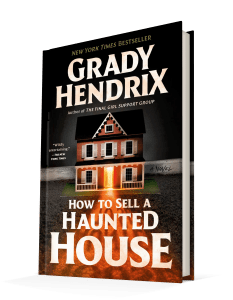
Some books scare you. Others unsettle you. And then there are books like How to Sell a Haunted House, which crawl under your skin, set up camp, and give you nightmares you absolutely did not ask for—but secretly kind of wanted. This was my third Grady Hendrix novel, and at this point it’s official: he is an instant-buy author for me. Equal parts campy, horrifying, and emotionally devastating, this book proves yet again that Hendrix doesn’t just write horror—he writes about family, grief, and the messy inheritance we carry long after our parents are gone.
Campy Horror That Still Hits Deep
Grady Hendrix has a very specific talent: balancing camp with genuine emotional insight. How to Sell a Haunted House is fun, weird, and deeply unsettling, but it never sacrifices character depth for shock value. He understands women, motherhood, and generational trauma in a way that feels thoughtful and earned, not performative. The horror works because the emotional core works.
This is not just a haunted house story—it’s a story about siblings who barely tolerate each other, unresolved childhood wounds, and the impossible task of sorting through your parents’ legacy while drowning in grief
Puppets, Dolls, and My Worst Nightmare Come to Life
I need to say this upfront: I hate puppets. I hate dolls. I hate anything that stares back at you when it absolutely should not be alive. So naturally, this book features Pupkin, a hand puppet that can possess people who wear it. That alone should tell you how deeply uncomfortable this reading experience was for me—in the best way.
The horror here is effective because it’s intimate. Pupkin isn’t just scary because it’s creepy; it’s scary because it’s tied directly to childhood, memory, and control. Hendrix leans hard into the uncanny, and it works. I finished this book thinking I’d be fine… and then proceeded to have nightmares about dolls and puppets. I am in my thirties. That’s impressive.
Sibling Rivalry, Grief, and Inheritance Gone Wrong
The story follows Louise and her brother Mark after their parents die suddenly, leaving behind a house that absolutely refuses to be sold. Their relationship is strained, bitter, and fueled by years of resentment—especially when Mark inherits the house due to the technicalities of their parents’ wills.
Louise, meanwhile, inherits her mother’s art, which she despises. As the story unfolds, it becomes painfully clear why. Their childhoods were shaped by secrets, favoritism, and a puppet that should never have existed. Watching Louise slowly unpack her memories—and realize how much she misunderstood her family—is one of the most compelling emotional arcs in the book.
Why Grady Hendrix Just Gets It
One of Hendrix’s greatest strengths is writing female protagonists who feel real. Louise is flawed, exhausted, grieving, and trying to be a good mother while barely holding herself together. The book explores motherhood honestly—without romanticizing it—and shows how trauma echoes across generations.
The plot twists are genuinely surprising, yet completely earned. I never saw them coming, but once they landed, everything clicked into place. That’s not easy to pull off, and Hendrix does it consistently.
Final Thoughts
How to Sell a Haunted House is eerie, funny, disturbing, and deeply human. It’s horror rooted in family dynamics, childhood trauma, and the things we inherit whether we want them or not. If you like your horror campy but emotionally sharp—and you don’t mind being deeply unsettled—this one is absolutely worth your time. Just maybe don’t read it right before bed… especially if you hate puppets.





Donate with Paypal
Help Cyn’s Workshop improve and grow with a one-time donation. Donations go towards equipment, writing suppliments and giveaways to the bookish community.
$1.00