
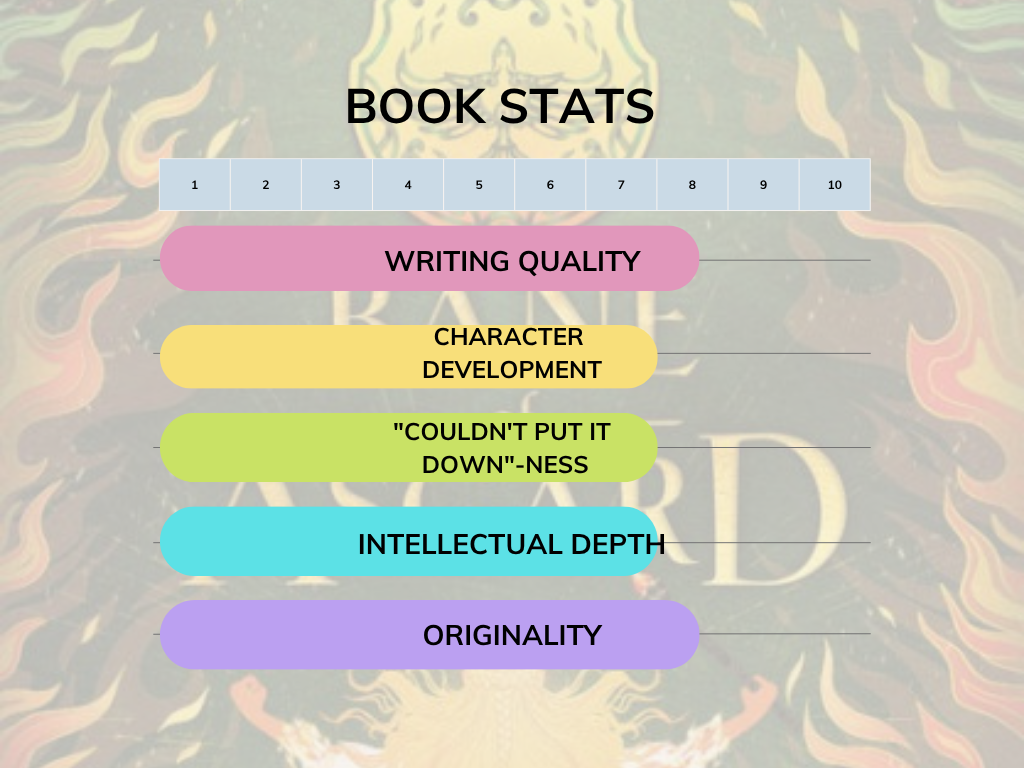
A Norse mythology fantasy sequel with intriguing ideas and strong writing, but slower pacing and limited mythological depth hold the story back.
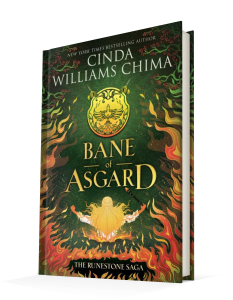
Norse mythology is packed with epic battles, powerful gods, and legendary drama, which is why fantasy stories inspired by it often feel so exciting. Bane of Asgard by Cinda Williams Chima had all the ingredients for an unforgettable sequel. Unfortunately, while the book has an intriguing premise and strong writing, the story itself struggles to fully capitalize on the mythology and worldbuilding that make Norse-inspired fantasy so compelling.
Returning to the World After Children of Ragnarok
Bane of Asgard continues the story that began in Children of Ragnarok. Readers should absolutely start with the first book before diving into this sequel, as it builds directly on the established characters and conflicts.
The story centers on two primary perspectives: Reginn, a healer with a dangerous magical ability, and Erik, her love interest. Reginn’s powers go far beyond healing—she has the ability to raise the dead, which creates both incredible potential and enormous consequences.
Their connection forms the emotional core of the story, though the two characters spend much of the novel separated, which unfortunately weakens the romantic tension.
A World with Fascinating Potential
One of the most intriguing aspects of the series is its connection to Norse mythology. Characters possess Asgardian blood, granting them magical abilities tied to ancient divine power.
The world hints at connections to legendary figures and mythological forces, which should create a rich fantasy setting filled with larger-than-life moments.
However, the story rarely dives deeply into the mythology itself. The gods and mythic elements feel distant rather than central, leaving readers wanting more exploration of the lore that initially makes the premise so exciting.
When Length Starts to Feel Heavy
This is a long book—and while epic fantasy often benefits from length, the pacing here makes the story feel even longer than it actually is.
Large sections of the narrative move slowly, and the momentum sometimes stalls when the plot should be building tension.
There are interesting ideas present, including a time-shift element where a decade passes in the world while only a year passes for one character. Unfortunately, this concept isn’t explored as deeply as it could have been, leaving questions about how the timeline actually works.
With tighter pacing, the story might have benefited from being split into two separate books or from trimming certain sections to keep the narrative moving forward.
A Mythological Story That Needed More Mythology
Perhaps the biggest disappointment is the limited presence of the Norse mythology itself.
For a story centered around Asgardian bloodlines and mythic power, readers might expect appearances from major figures such as Odin, Freya, or other gods. Instead, these elements remain mostly in the background.
Even when mythological figures are referenced, they often appear indirectly or through other characters rather than being fully realized personalities within the story.
For readers drawn to the book because of its Norse inspiration, this absence may feel like a missed opportunity.
Strong Writing, But a Story That Drags
It’s important to note that the book itself is not poorly written. The prose is solid, and the author clearly has a talent for building fantasy worlds.
The issue lies more with the pacing and narrative structure than the writing itself.
At times, the story simply feels slow, with long stretches where very little happens. For a fantasy inspired by the dramatic and intense mythology of the Norse world, the story sometimes lacks the energy and momentum that readers might expect.
Final Thoughts
Bane of Asgard contains many interesting ideas and a strong mythological foundation, but it ultimately struggles to fully deliver on its potential. While the writing is solid and the worldbuilding hints at something larger, the pacing and limited exploration of Norse mythology make the story feel slower and less immersive than it could have been.
Readers who enjoyed Children of Ragnarok may still appreciate continuing the journey, but those looking for a mythology-heavy fantasy might find themselves wishing for a deeper dive into the legendary world the story promises.




Donate with Paypal
Help Cyn’s Workshop improve and grow with a one-time donation. Donations go towards equipment, writing suppliments and giveaways to the bookish community.
$1.00