


Melissa Poet’s The Enemy’s Daughter reimagines Tristan and Isolde in a dystopian world of survival, forbidden love, and feminist defiance against tradition.

Melissa Poett’s The Enemy’s Daughter is a powerful young adult dystopian retelling of the Tristan and Isolde legend. Blending forbidden romance, survivalist tension, and unique fantasy elements, this novel reimagines a timeless love story within a haunting, post-apocalyptic world.
A Dystopian Retelling of a Classic Legend
Set thirty-seven years after a catastrophic event devastates the earth, the novel introduces a fractured society where scattered clans struggle to survive. Isadora, daughter of her clan’s chieftain, lives within a rigidly traditional community where women are relegated to domestic roles and men act as hunters and providers. Despite these restrictions, Isadora seeks more—secretly studying medicine and herbal remedies in hopes of forging her own path.
When her father promises her hand to the warrior who captures Kingsland’s leader, fate intervenes. Isadora captures Tristan, son of the rival chieftain, but is poisoned in the process. This twist introduces a fascinating element of fantasy that sets the story apart from other dystopian retellings.
Telepathic Bonds and Forbidden Love
Kingsland itself presents an intriguing contrast to Isadora’s clan. Descended from settlers altered by radiation, its people developed telepathic bonds with their soulmates. Tristan, as heir to Kingsland, possesses this inherited ability. When he marries Isadora to save her life, he assumes part of her pain—an act that deepens both their bond and the story’s emotional intensity.
The novel’s single point-of-view narration, filtered through Isadora, enriches the reading experience. Tristan’s thoughts are shared only through his telepathic connection with her, providing an intimate look at his feelings while allowing the reader to remain grounded in Isadora’s perspective. Their relationship grows through this emotional vulnerability, creating a compelling enemies-to-lovers dynamic.
Themes of Power, Tradition, and Change
At its heart, The Enemy’s Daughter explores the clash of two societies: one progressive and democratic, the other bound by lies and oppressive traditions. Isadora’s journey reflects a broader theme of women reclaiming agency within restrictive systems. Her courage and determination spark change not only within herself but also for others in her community.
The novel also touches on generational divides, the burden of leadership, and the moral complexity of survival in a fractured world. By intertwining these themes with a romance steeped in longing and sacrifice, Poett creates a narrative that feels both fresh and timeless.
Final Thoughts
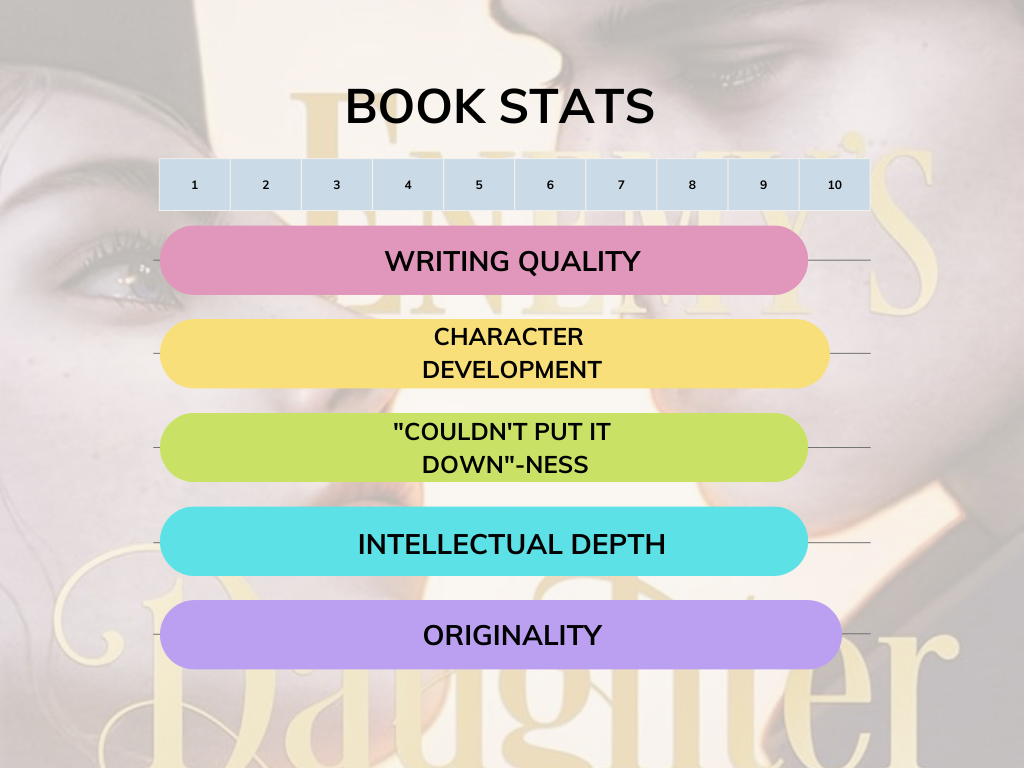
The Enemy’s Daughter is an engaging and emotionally charged dystopian romance that reimagines Tristan and Isolde for a new generation. With its mix of political intrigue, feminist themes, and a touch of fantasy, it offers something new to readers of both dystopian fiction and retellings.
Well-paced, thought-provoking, and emotionally resonant, Melissa Poett’s novel stands out as a bold addition to the YA genre. For fans of forbidden love stories, dystopian settings, and heroines who challenge tradition, The Enemy’s Daughter is highly recommended.




Donate with Paypal
Help Cyn’s Workshop improve and grow with a one-time donation. Donations go towards equipment, writing suppliments and giveaways to the bookish community.
$1.00