

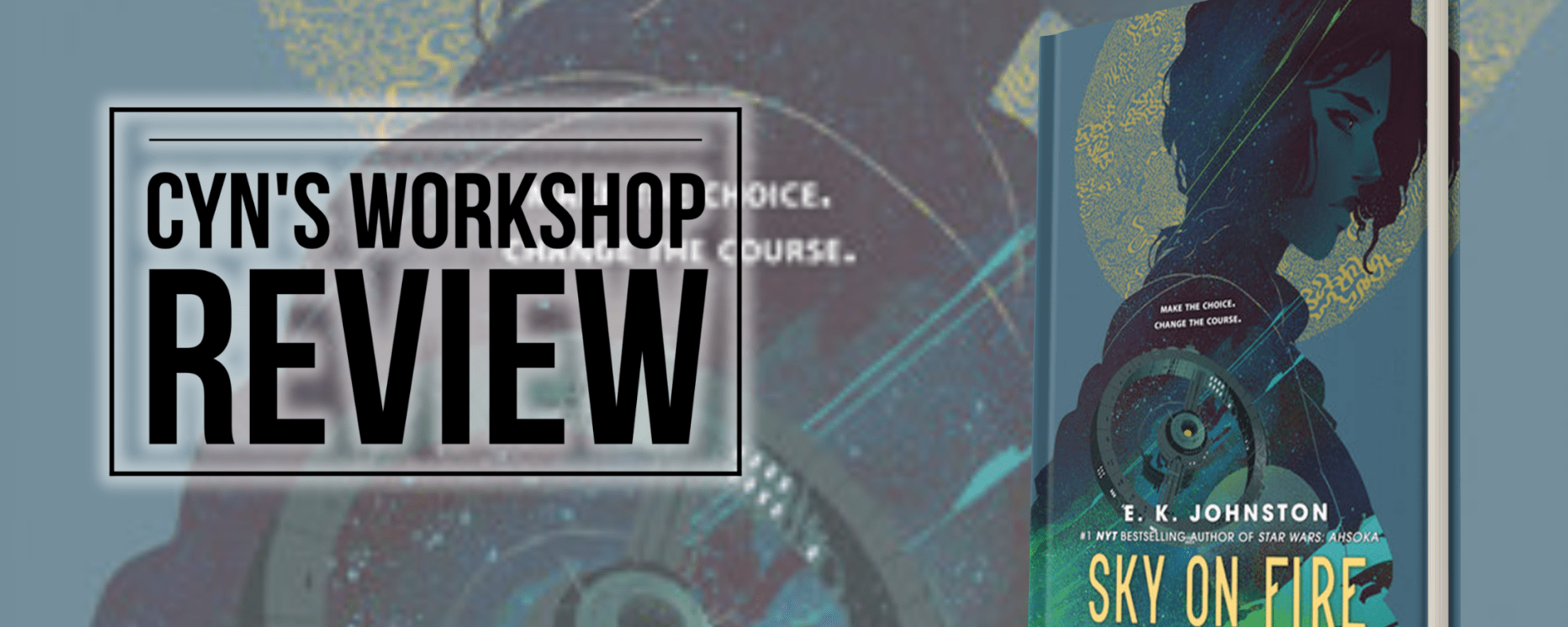
Sky on Fire by E.K. Johnston is a smart, science-driven sci-fi sequel that explores identity, asexual representation, and cosmic catastrophe with quiet precision.
Returning to a sci-fi world years after first visiting it can be risky, but Sky on Fire proves that a long-awaited sequel can still land gracefully. This novel follows Aetherbound, and while it remains connected to that earlier story, it shifts focus to an entirely new protagonist. Even without a perfect memory of the first book, I found myself quickly grounded thanks to Johnston’s smart, unobtrusive recaps, which refresh the world without disrupting the pacing.
A New Protagonist and a Science-Forward Story
This story follows Morgan, a science prodigy in a universe where many people are born with a genetic connection to aether—an ability tied to navigation, survival, and even understanding bodies and energy. Morgan, however, has no aether sense at all. Instead, she relies entirely on intellect, data, and scientific reasoning, and her goal is ambitious: to predict when the next catastrophic aether collapse will occur.
The science in Sky on Fire is one of its strongest elements. While the concept of gene-sense and star-sense sounds complicated at first, Johnston explains it clearly and naturally through the narrative. It never feels overwhelming, and it adds depth to the world rather than slowing the story down.
Writing Style That Matches the Character
Johnston’s prose here is very direct—clean, efficient, and intentionally unadorned. It isn’t flowery or emotionally indulgent, but that restraint works because it mirrors Morgan herself. She is analytical, guarded, and deeply rational, and the tone of the book reflects that internal landscape.
This approach won’t work for every reader. If you prefer lush, emotional prose, this may feel a bit clinical. For me, though, the style felt purposeful and well matched to the character, allowing Morgan’s growth to emerge gradually rather than through overt emotional beats.
Asexual Representation and Quiet Romantic Tension
One of the most thoughtful aspects of the novel is its handling of asexual representation. Morgan is never explicitly labeled, but her experiences and inner reflections strongly suggest she is asexual. I appreciated that Johnston lets this unfold organically, without forcing a definition onto either the character or the reader.
Morgan’s developing relationship with Ned adds a gentle romantic layer to the story—one rooted in trust, respect, and emotional intimacy rather than physical expectation. Their bond is tender and sincere, and it highlights how romantic connection can exist comfortably alongside asexual identity. It’s subtle, affirming, and handled with care.
Worldbuilding and an Open-Ended Conclusion
The worldbuilding remains a standout, especially in how science, history, and social structures intersect. While Aetherbound explores much of this more deeply, Sky on Fire expands the universe in meaningful ways without overwhelming new readers.
The ending is deliberately open. Not every thread is tied off, and the story closes with the strong sense that there is more to tell. Rather than feeling unfinished, it feels like an invitation—one that leaves the door wide open for further exploration of this universe.
Final Thoughts
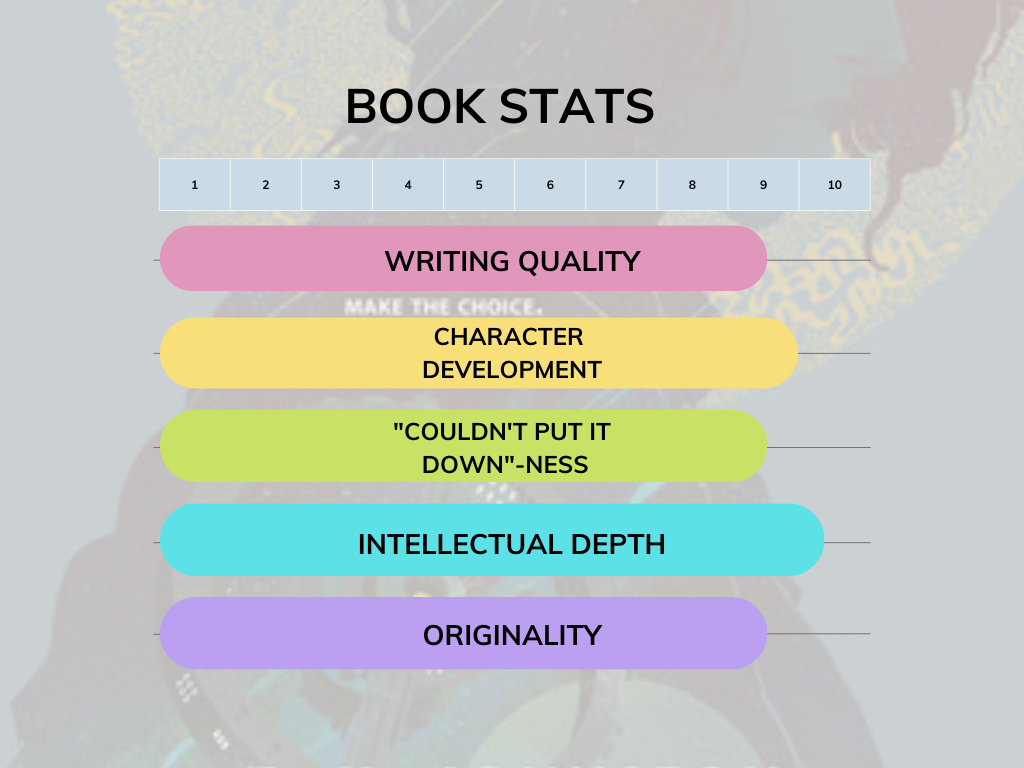
Sky on Fire is a smart, measured sci-fi sequel that prioritizes science, character growth, and quiet emotional resonance over spectacle. Its restrained prose and analytical tone won’t be for everyone, but readers who appreciate thoughtful worldbuilding, nuanced asexual representation, and grounded science fiction will find a lot to admire here. I’m genuinely hopeful this isn’t the last time we return to this world.




Donate with Paypal
Help Cyn’s Workshop improve and grow with a one-time donation. Donations go towards equipment, writing suppliments and giveaways to the bookish community.
$1.00